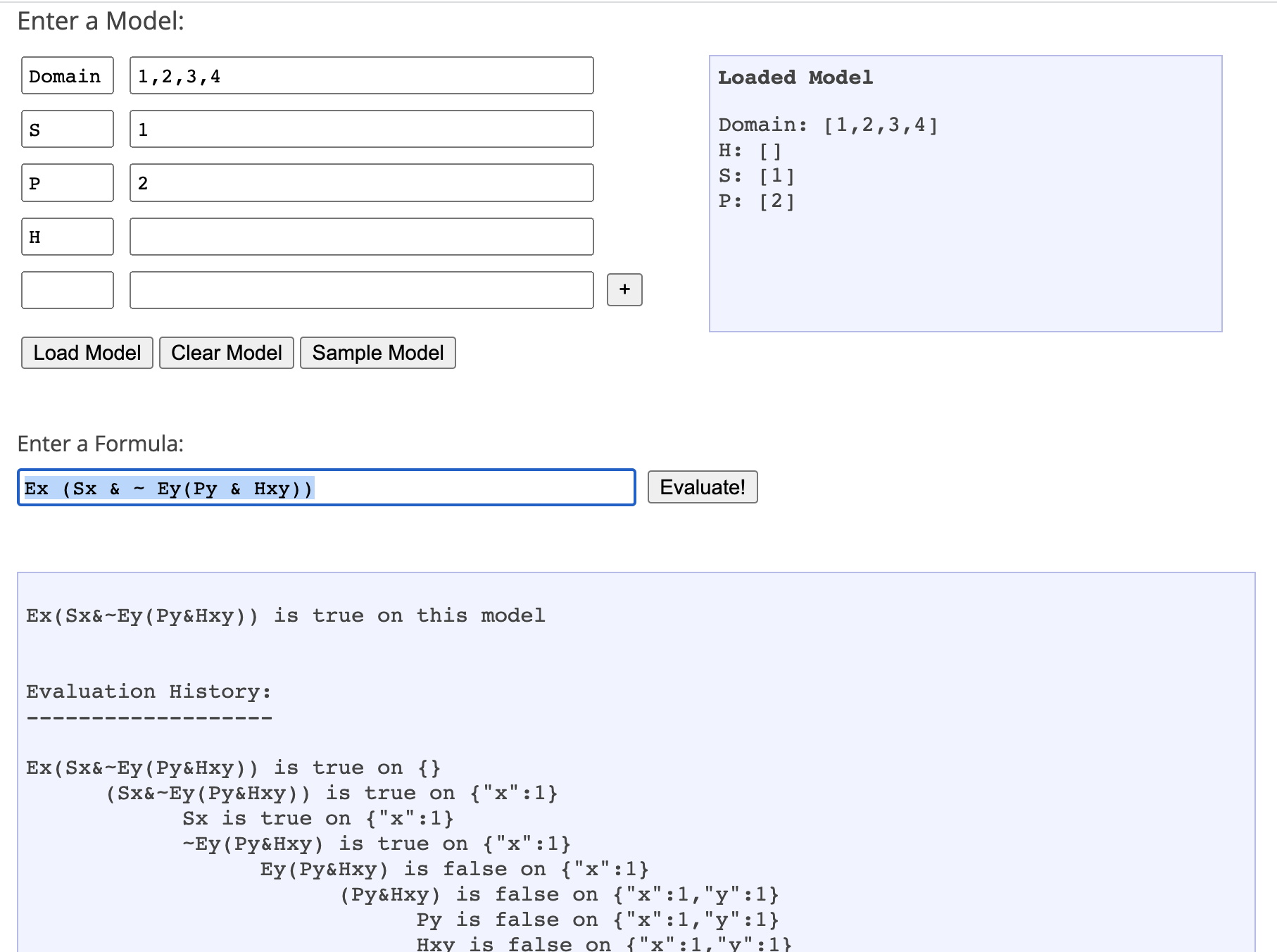
Imagine a world where there are 4 soups on the table and I have one of them. I say “I don’t have soup”
The 2020 ERG provides only one MRS for “I don’t have soup”:
[ "I don't have soup'"
  TOP: h0
  INDEX: e2 [ e SF: prop TENSE: pres MOOD: indicative PROG: - PERF: - ]
  RELS: < [ pron<0:1> LBL: h4 ARG0: x3 [ x PERS: 1 NUM: sg IND: + PT: std ] ]
          [ pronoun_q<0:1> LBL: h5 ARG0: x3 RSTR: h6 BODY: h7 ]
          [ neg<2:7> LBL: h1 ARG0: e2 ARG1: h8 ]
          [ _have_v_1<8:12> LBL: h9 ARG0: e10 [ e SF: prop TENSE: pres MOOD: indicative PROG: - PERF: - ] ARG1: x3 ARG2: x11 [ x PERS: 3 NUM: sg ] ]
          [ udef_q<13:18> LBL: h12 ARG0: x11 RSTR: h13 BODY: h14 ]
          [ _soup_n_1<13:17> LBL: h15 ARG0: x11 ] >
  HCONS: < h0 qeq h1 h6 qeq h4 h8 qeq h9 h13 qeq h15 > ]
The HCONS license the following scope-resolved MRSs (and only these):
These first three have both have_v_1 and soup_n_1 under the scope of neg() and so effectively resolve to “I don’t have any soup”, which means the statement is false in this scenario, and makes sense to me:
                         ┌────── _soup_n_1(x11)
         ┌─ udef_q(x11,RSTR,BODY)               ┌────── pron(x3)
neg(e2,ARG1)                  └─ pronoun_q(x3,RSTR,BODY)
                                                     └─ _have_v_1(e10,x3,x11)


                           ┌────── pron(x3)
         ┌─ pronoun_q(x3,RSTR,BODY)             ┌────── _soup_n_1(x11)
neg(e2,ARG1)                    └─ udef_q(x11,RSTR,BODY)
                                                     └─ _have_v_1(e10,x3,x11)


               ┌────── pron(x3)                 ┌────── _soup_n_1(x11)
pronoun_q(x3,RSTR,BODY)         ┌─ udef_q(x11,RSTR,BODY)
                    └─ neg(e2,ARG1)                  └─ _have_v_1(e10,x3,x11)
The last three have soup_n_1 outside the scope of neg, so, if there are multiple soups lying around, and I happen to have only one of them, these scope-resolved trees do have truth conditions that make them true (when x11 is set to a soup that I don’t have). Thus, “I don’t have soup” is true for these (even though I do I have soup).
This interpretation makes sense to me if the phrase was “I don’t have a soup”, since there is at least one soup they don’t have. But I can’t seem to construct a scenario where the simple “I don’t have soup” should be true if I have soup, and thus I’m wondering how to think about these trees…
             ┌────── _soup_n_1(x11)             ┌────── pron(x3)
udef_q(x11,RSTR,BODY)         ┌─ pronoun_q(x3,RSTR,BODY)
                  └─ neg(e2,ARG1)                    └─ _have_v_1(e10,x3,x11)


             ┌────── _soup_n_1(x11)
udef_q(x11,RSTR,BODY)               ┌────── pron(x3)
                  └─ pronoun_q(x3,RSTR,BODY)         ┌─ _have_v_1(e10,x3,x11)
                                         └─ neg(e2,ARG1)


               ┌────── pron(x3)
pronoun_q(x3,RSTR,BODY)             ┌────── _soup_n_1(x11)
                    └─ udef_q(x11,RSTR,BODY)         ┌─ _have_v_1(e10,x3,x11)
                                         └─ neg(e2,ARG1)
Any insights here?